How small fashion stores can add real content without big branding budgets
1/14/2026 · 3 minute read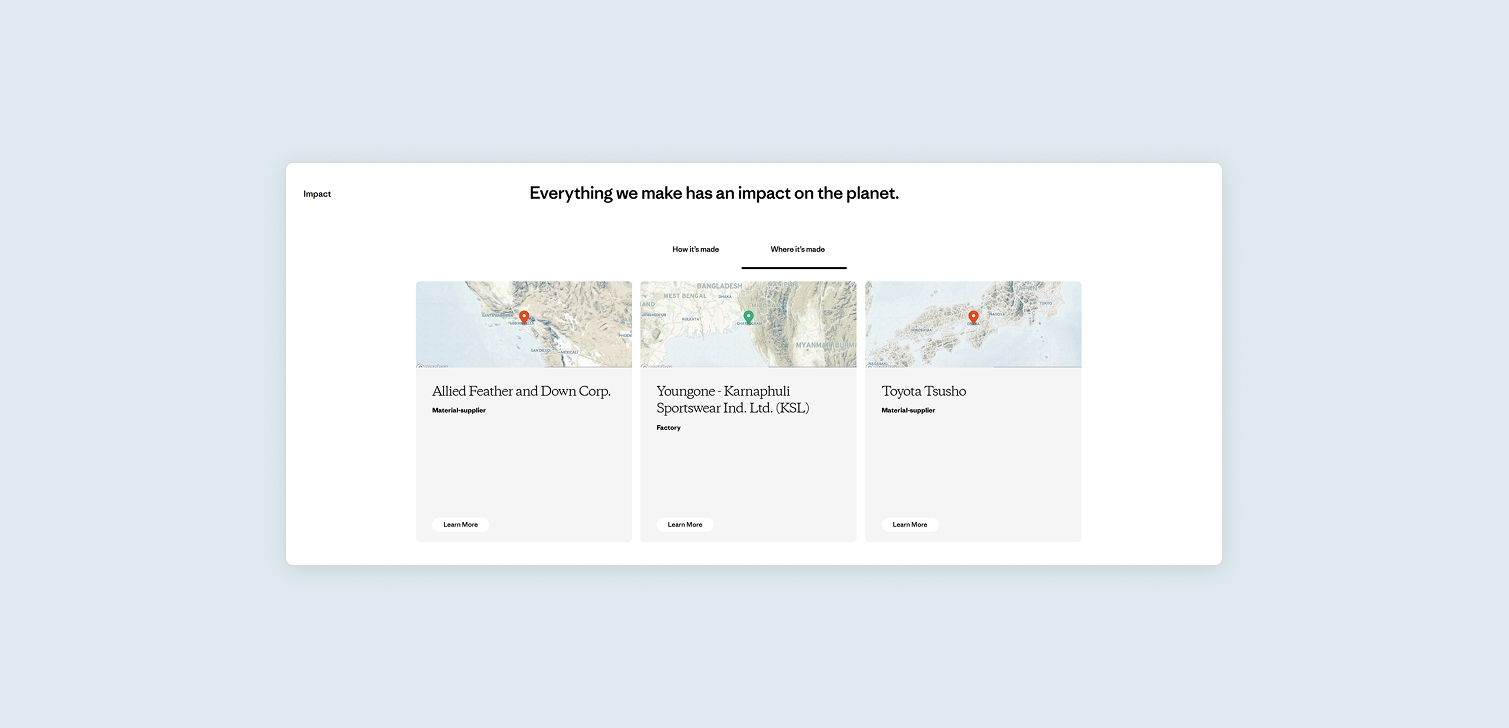
A lot of fashion stores struggle with content. Not ads, not product photos, but actual site content that gives visitors something to read, understand, and remember.
If a store cannot afford expensive branding or a full content team, the site often ends up as a clean list of products. Nothing more. No context, no story, no character.
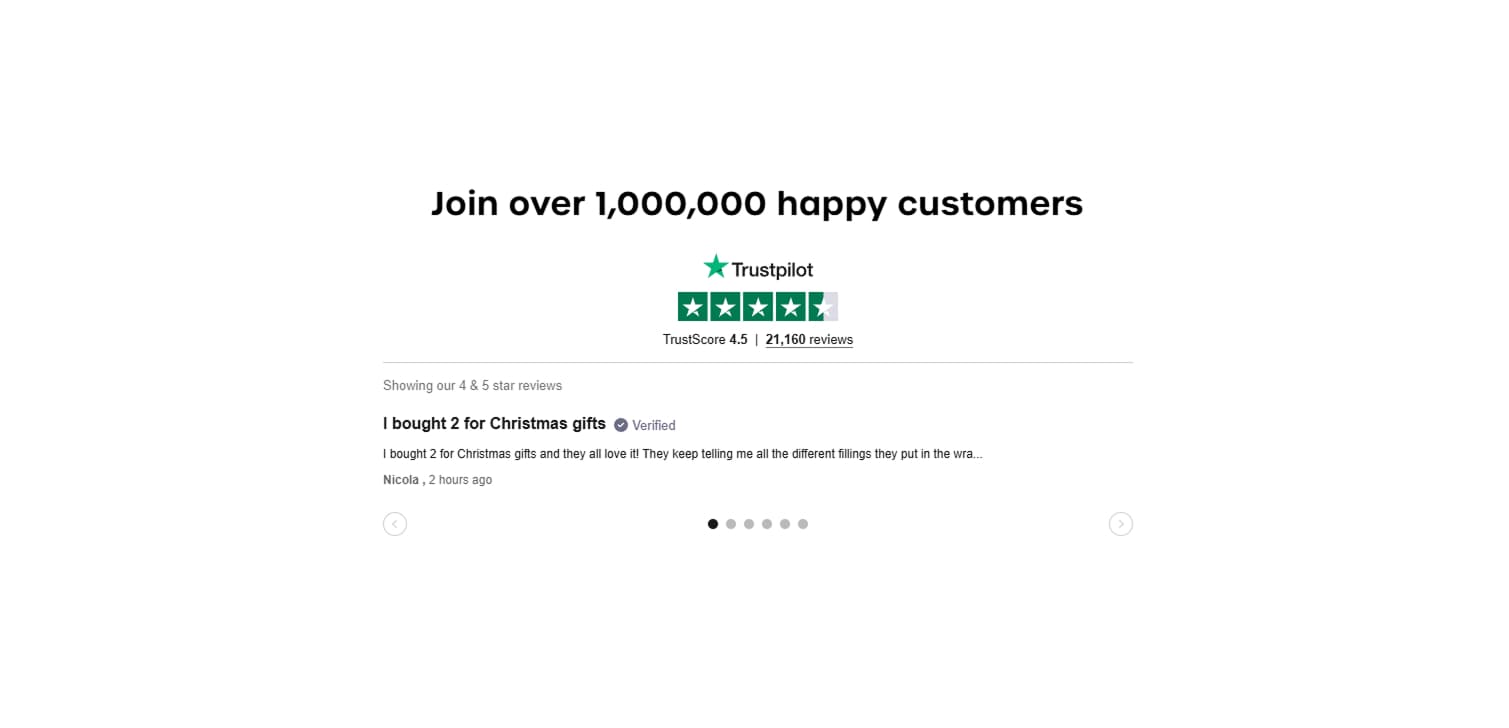
There are probably over a million ecommerce sites like this right now. Functional, but empty.
The good news is that content does not need to be expensive or complex. You just need a few clear ideas that can be used across the entire site, not buried in one About page paragraph.
Below are four practical content angles that work well for small and mid-sized fashion stores.
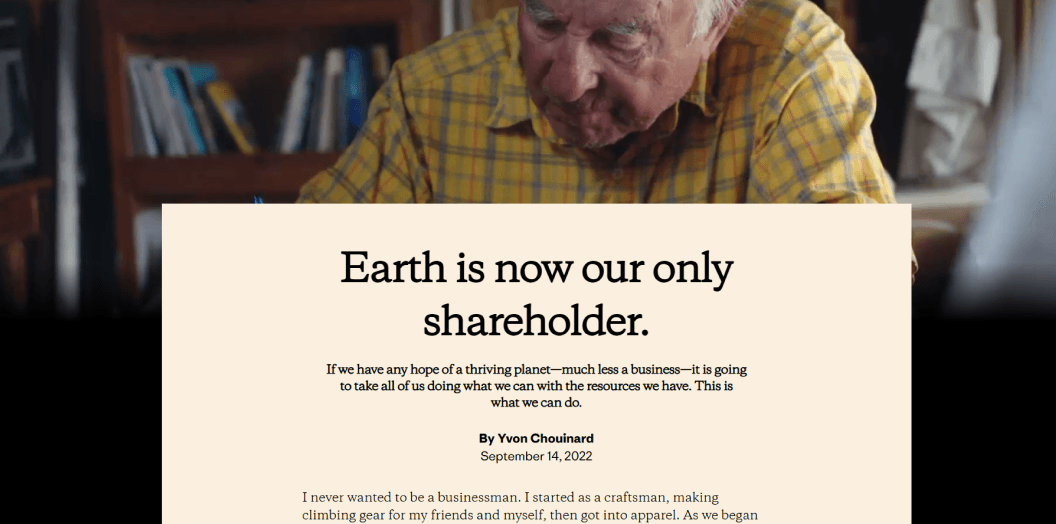
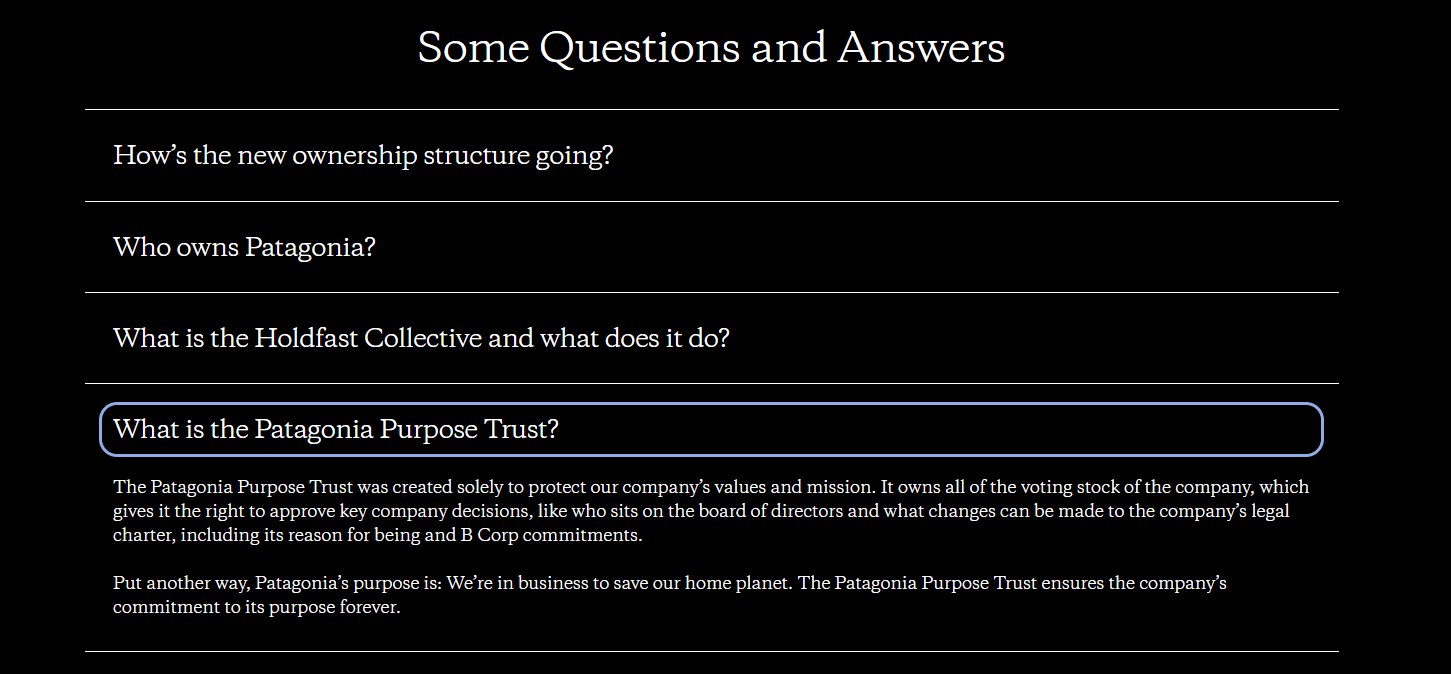
Cause gives your store a reason to exist
A cause does not mean vague sustainability promises. Visitors have seen those too many times.
What works better is specificity.
Pick one clear cause. Make it narrow. Educate about it, and support it in a measurable way.
For example:
Using 100% biodegradable packaging
Donating 1% of profits to ocean cleanup
Working only with factories that meet a defined wage standard
The key is clarity. If you cannot explain the cause in one sentence, it is too broad.
This type of content helps in several places:
Homepage sections that explain what you stand for
Product pages that reference the same commitment
FAQ entries answering practical questions about the cause
It also helps internally. A defined cause makes content decisions easier later.
History gives context, even if it is short
Many store owners think they do not have a history worth telling. That is rarely true.
History does not need to be dramatic. It just needs to be real.
Something as simple as: "We launched our first collection in a small studio in 2020, aiming to balance quality and affordability."
That sentence already gives context. You can then expand slightly:
Where was the studio?
Why did you start there?
What problem were you trying to solve?
This works even for newer stores. Time is not the point. Intent is.
You can use history content in:
About pages
Homepage blocks
Blog posts that explain early decisions
Small timeline elements across the site
It gives visitors a mental anchor. Products feel less random when they come from somewhere.
Origin builds trust, but only if it is honest
Origin content is difficult for some stores, especially low-cost dropshipping operations. That does not mean it should be skipped entirely.
If you know where materials come from, say it.
If you know how many suppliers you work with, say that too.
For example: "We partner with 21 manufacturers who follow fair wage and workplace safety standards."
Avoid exaggeration. Avoid claims you cannot support.
Origin content is useful when:
Customers care about ethics or quality
You sell similar products to many competitors
You want to reduce hesitation before purchase
This information fits well in product pages, FAQs, and dedicated origin pages.
Even partial transparency is better than silence.
Community makes the store feel alive
Community does not need to be large. It needs to be visible.
At the beginning, this often means:
Engaging with a small group on social media
Encouraging tagged posts
Featuring user-generated photos
Even if those users are friends, collaborators, or early supporters, the effect is the same. The store feels used, not theoretical.
A simple example: "Tag us with #WearOurWay to get featured in our monthly lookbook."
This type of content can appear in:
Hero banners
Product pages
Social proof sections
Blog posts or lookbooks
Community content adds movement to an otherwise static site.

How to implement this across the site
These ideas only work if they show up more than once.
Practical placements include:
Catchphrases on collection pages
Short sections on the homepage
Dedicated pages for cause or origin
Hero banners with one clear message
Small notes on product pages
Blog posts expanding on each topic
FAQs tied to cause and origin questions
Repetition is not a problem here. Consistency is the goal.
FAQ
Do I need all four content types? No. Even one or two done well can improve how the site feels.
What if my store is new and small? That is fine. Start with intent and decisions, not scale.
Can this replace professional branding? No, but it fills the gap until branding is possible.
Is this only for fashion stores? No, but fashion benefits more because products are often similar.
How long should this content be? Short is fine. Clarity matters more than length.
Conclusion
Most fashion ecommerce sites do not need better design first. They need substance.
Cause, history, origin, and community give visitors something to connect with. They also give the store a clearer identity, even without a big budget.
Start small. Be specific. Use the same ideas across the site.
Over time, the store stops feeling like a product list and starts feeling like a brand.